What You Might Not Realize About Homeless Encampment Cleanup
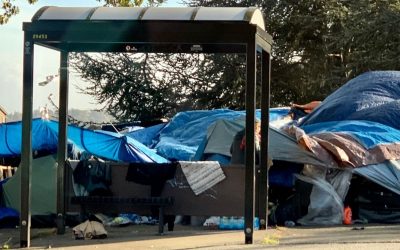
If you’ve lived in Southwest Florida for a while, chances are you’ve seen a homeless encampment. Perhaps it was located near an empty lot in Cape Coral or hidden behind a commercial building in Fort Myers. These camps show up in places where people are just trying to survive, and while they bring up a lot of feelings, one thing’s for sure—they’re more complicated than they look.
When it’s time for a homeless encampment cleanup, most people imagine simply hauling away some trash and clearing the space. But honestly, it’s way more involved than that. It’s not just about cleaning up what you can see—it’s about doing it safely, responsibly, and respectfully. Let’s break it down.
What Is a Homeless Encampment Cleanup?
A homeless encampment is typically a group of tents, tarps, or temporary shelters set up in areas not intended for long-term living, such as behind businesses, under bridges, or along wooded trails. These setups may seem small, but over time, they can lead to more significant concerns.
When an encampment needs to be cleared—either because of safety issues, health risks, or property damage—that’s where the cleanup comes in. However, here’s the part that many people don’t realize: homeless encampment cleanup isn’t just about removing items. It involves handling serious hazards with care.
A Lot is Going On Behind the Scenes
We’re not just talking about trash bags and leftover food here. Encampments often include things like:
- Used needles or drug-related items
- Human waste
- Rotting food or soiled clothing
- Bodily fluids like blood or vomit
- Infestations from rodents or bugs
Now, if you’re thinking, “Why can’t someone just clean it up with gloves and trash bags?”—we get that. But the risks go beyond what you can see. Bloodborne pathogens, airborne mold spores, or even a single missed needle can pose a real danger.
This is why our team at Clean Keepers always comes prepared—with the right gear, the proper training, and a solid plan.
How a Professional Cleanup Works
At Clean Keepers, we’ve handled homeless encampment cleanups from Estero to Bonita Springs. Here’s what we do when we’re called in:
Step 1: We assess the area.
We walk through the site to assess the risks—what needs to be removed, what might require special handling, and how severe the contamination is likely to be.
Step 2: We suit up.
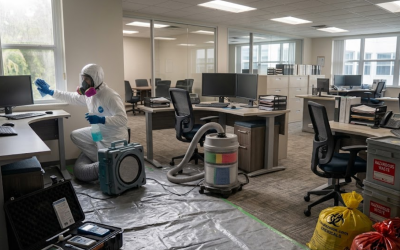
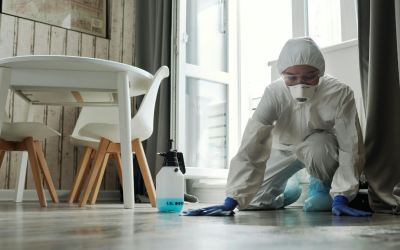
This isn’t your everyday cleaning job. We wear full protective gear—gloves, masks, suits—because we’re working with biohazards that require serious precautions.
Step 3: We safely remove everything.
That includes needles, trash, and any other items that could be hazardous. We separate items for proper disposal and handle everything according to local and federal guidelines.
Step 4: We deep-clean and disinfect.
Once the area’s clear, we disinfect all surfaces. We use EPA-approved products to eliminate lingering bacteria and odors.
Step 5: We check our work.
Before we leave, we double-check everything to ensure the space is safe and ready for use again, whether by a property owner, a city crew, or the public.
Respect Matters—A Lot
One thing we never forget is that people lived there. Some may have left behind belongings that meant something. And some may still be nearby, unsure of what will happen next.
We always work with compassion and respect. When possible, we coordinate with outreach teams or city services to ensure that people receive help, not just be pushed out.
This work isn’t about “cleaning up after people.” It’s about making spaces safe while respecting the fact that people experiencing homelessness are still people. That mindset guides how we work.
How We Handle Cleanups Here in Southwest Florida
Living and working here, we’ve observed how each city approaches these issues slightly differently. Fort Myers might involve city partners, while a cleanup in Bonita Springs could come from a private property owner. Either way, we approach every job with the same level of care and attention.
We don’t offer a one-size-fits-all solution. We listen, we assess, and we work with whoever’s involved—owners, neighbors, even the folks who lived in the camp if they’re still present.
And since we’re local, we also care about what happens after the cleanup. We want the land restored, the risks mitigated, and the process handled in a manner that doesn’t create further harm.
What to Keep in Mind Moving Forward
If you’re dealing with a homeless encampment on or near your property, you’ve probably got a lot on your plate already. But here’s what we want you to remember:
- The health and safety risks are real.
- A DIY approach might seem cheaper, but it could put you—and others—in harm’s way.
- There’s a right way to handle this, and it starts with calling in trained professionals who know what they’re doing.
At Clean Keepers, we’re not here to shame or scare you. We’re here to help you navigate a challenging situation with safety, care, and professionalism. Whether you’re in Fort Myers, Estero, or just outside Cape Coral, we’ve got your back.
To stay current with us, please follow our Facebook page.