What to Expect from Crime Scene Cleanup in Fort Myers: A Step-by-Step Guide
If you’ve never had to deal with a traumatic scene before, the cleanup process can feel overwhelming. Crime scene cleanup in Fort Myers isn’t something most people think about until they suddenly need it.
Whether it’s after an accident, a violent crime, or an unattended death, knowing what happens next can make a really stressful situation a little easier to handle.
This guide walks you through the whole process so you know what to expect, who to call, and why this job isn’t one to tackle on your own.
Why You Shouldn’t DIY This
You can achieve your cleaning goal through the use of cleaning products. But crime scenes often involve biohazardous materials because they contain blood and bodily fluids and other contaminants, which create serious health dangers. The materials contain bloodborne pathogens, which include hepatitis B, hepatitis C, and HIV.
On top of that, there are state and federal regulations around how you’re supposed to handle and dispose of biohazardous waste. Going DIY isn’t just dangerous; it can also land you in legal trouble if you don’t dispose of the materials properly.
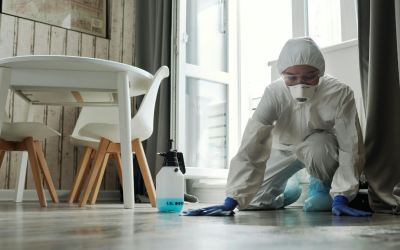
Professional cleanup crews wear the right protective gear, use EPA-registered disinfectants, and follow strict protocols to ensure the space is genuinely safe, not just visually clean.
The Scene Gets Cleared by Authorities
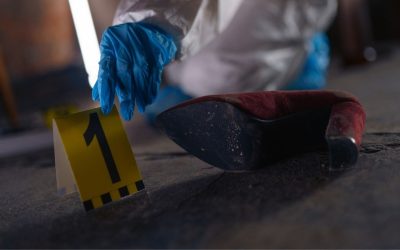
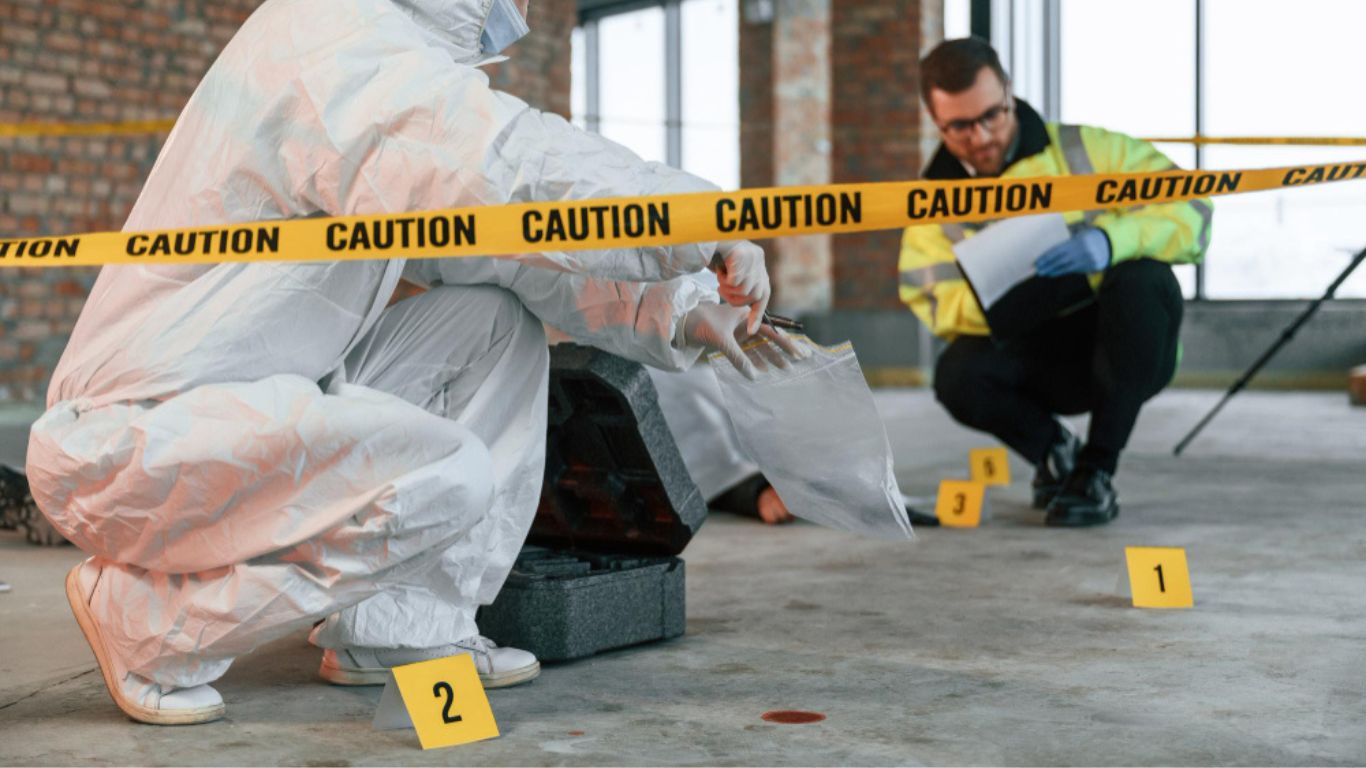
Before any cleanup can begin, law enforcement has to release the scene. That means detectives, forensic teams, and any other officials finish their work first. It can take hours or even days, depending on the nature of the incident.
Once they give the all-clear, the property owner or next of kin can authorize a professional cleanup crew to come in. At Clean Keepers, this is usually when we get the call.
Assessment and Planning
The crew doesn’t just show up and start scrubbing. The first thing professionals do is assess the full scope of the situation. They’ll look at which surfaces were affected, whether contamination soaked into the flooring or drywall, and which materials are recoverable and which need to go.
This step matters more than most people realize. Blood and other fluids can seep into carpet padding, subfloor wood, and even concrete. A visual inspection alone won’t catch everything, so techs use specialized tools like UV lights and moisture readers to find contamination that you can’t see with the naked eye.
Containment
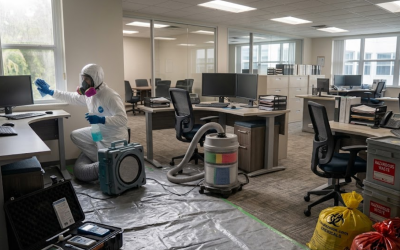
Before any cleaning begins, the team sets up containment barriers. It prevents cross-contamination from spreading to unaffected areas of the property. If the scene is indoors, they’ll seal off doorways and vents. Anyone entering the contained zone wears full PPE, including respirators, gloves, and protective suits.
It’s standard practice in crime scene cleanup in Fort Myers and everywhere else. It protects both the workers and anyone else in the building.
Removal and Cleaning
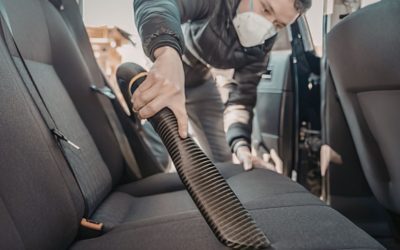
It’s the core of the job. Technicians remove all biohazardous materials, including soiled items, affected furniture, and structural materials that can’t get fully decontaminated. They bag and label everything in accordance with biohazard disposal regulations.
After removal, the crew applies hospital-grade disinfectants to all affected surfaces. It usually involves multiple applications with dwell times between passes, so the product can actually do its job. They don’t rush this part.
Odor control is a big piece of this step, too. Depending on the situation, they may use ozone machines, hydroxyl generators, or enzyme-based treatments to neutralize odors at the molecular level.
It’s especially important in Southwest Florida’s climate, where heat and humidity can accelerate decomposition odors in a matter of hours.
Verification
After cleaning, reputable companies don’t just pack up and leave. They verify their work. That can mean using ATP testing (a surface swab test that detects biological residue) or bringing in a third-party inspector to confirm the space meets safety standards.
The goal is simple: the space should be safe for people to re-enter. Not “looks clean,” but actually clean.
Restoration (If Needed)
Sometimes the cleanup leaves behind holes in drywall, missing flooring, or damaged fixtures. Some companies, including Clean Keepers, can coordinate restoration work so you’re not left managing multiple contractors during an already difficult time.
It isn’t always necessary, but when it is, having a single point of contact makes the process much smoother.
What About Insurance?
Here’s some good news. Many homeowners’ insurance policies cover biohazard cleanup, depending on the circumstances. Crime scene cleanup in Fort Myers typically falls under the property damage portion of a policy.
It’s worth making that call to your insurance provider early in the process. A good cleanup company can usually work directly with your insurer and provide the documentation your insurer needs.
How Long Does It Take?
Most jobs wrap up in a single day. Complex situations involving larger spaces or severe contamination can take two to three days. The crew will give you a realistic timeline after the initial assessment so you’re not left guessing.
You Don’t Have to Figure This Out Alone
Dealing with the aftermath of a crime or traumatic incident is hard enough. You shouldn’t also have to worry about whether the cleanup is safe, legal, or thorough. Professional crime scene cleanup in Fort Myers exists for exactly this reason.
At Clean Keepers, we handle these situations with discretion, professionalism, and genuine care for the people involved. We know this isn’t a normal service call. We treat it that way.
You can ask your questions after you decide on your initial steps. Your contact with us will not require any commitment from you. The person you reached out to will provide you with guidance for your upcoming actions.
To stay current with us, please follow our Facebook page.