Compassionate and Discreet Remediation After Homicide and Suicide Cleanup
Step into a home after a homicide or suicide, and you’ll feel it right away. The scene often features blood, bodily fluids, and other harmful materials. You can’t clean up these biohazards with household products. Friends and family, even if they mean well, can’t do it either.
This is where professional homicide and suicide cleanup becomes crucial. It takes more than just wiping surfaces. You need special knowledge. You also need the right tools. This helps you remove dangerous materials without risk.
At CleanKeepers, we understand that cleanup work extends beyond restoring a space. Because it protects health, the process requires respect for human dignity. Emotional distress needs to be minimized for the people who stay behind. The following section outlines the professional standards you should expect in our work.
1) Why professional homicide and suicide cleanup matters
The mess you see after a trauma is not the only concern. Biohazards can travel, and it’s hard to notice areas. Fluids can soak into soft materials such as carpet, padding, flooring, furniture, and drywall.
Professional Homicide & Suicide Cleanup is designed to address risks such as:
- Exposure to pathogens from blood and bodily fluids (a reason Biohazard Cleanup and Infectious Disease Decontamination protocols matter).
- Cross-contamination to other rooms through foot traffic, HVAC airflow, or shared surfaces.
- Lingering odor that can trigger distress and indicate contamination, often requiring Odor Removal & Deodorization.
- Hidden damage behind baseboards, beneath flooring, or inside furniture.
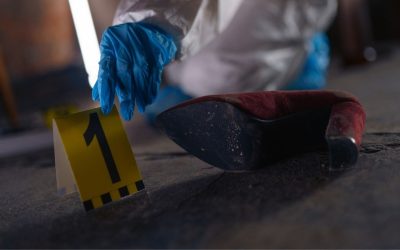
This is why Crime Scene Cleanup isn’t a “deep clean.” It’s remediation with safety controls and specialized methods.
2) What “compassionate and discreet” actually looks like
People express concern that their neighbors, building staff, and customers will discover what occurred. Discretion typically means people should limit their focus while still completing their work tasks safely and thoroughly. The implementation of compassionate service requires employees to deliver their work in a hidden, respectful manner.
- Communicate respectfully with family, property managers, or employers. Use simple explanations and avoid graphic details.
- Controlled access to the area so you don’t have to manage visitors, questions, or foot traffic.
- Care with personal belongings, including guidance on what can be cleaned versus what must be removed for safety.
- Quiet professionalism that prioritizes your privacy while focusing on health and restoration.
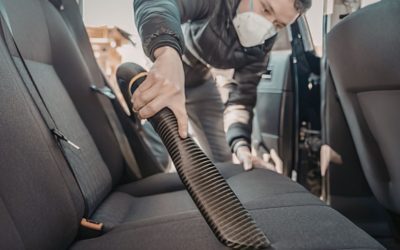
If the situation involves a vehicle, discretion may also mean handling Automobile Cleaning and Traffic Accident Cleanup with minimal disruption.
3) The most common biohazards at a crime or trauma scene
Every scene is different, but the hazards typically fall into a few categories. Understanding them helps explain why DIY attempts are risky.
- Blood and bodily fluids: Often require dedicated Blood Cleanup procedures and careful decontamination of affected materials.
- Sharps and contaminated debris: Items may be unsafe to handle without training and proper containment.
- Aerosolized particles and residue: After an incident, fine residue can land on surfaces and spread. This process is similar to the detailed work in Fingerprint Dust Cleanup.
- Odor-producing contamination: Odor isn’t just unpleasant; it can signal that porous materials still hold contamination, requiring Odor Removal & Deodorization.
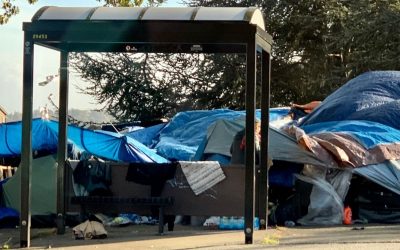
In some cases, the incident occurs in a complex environment, such as a cluttered home or an outdoor area, where additional services, such as Hoarding Cleanup, Homeless Encampment Cleanup, or Animal Waste Cleanup, may be needed to fully remediate the space.
4) What the cleanup process usually includes (step-by-step)
The professional remediation process follows a standard procedure. It can change based on scene needs and material specs. The list shows you what sounds “normal” during the initial walkthrough.
- Assessment and safety planning: Identifying affected areas, including hidden spread. If the air quality is a concern, Indoor Air Quality Management may be part of the approach.
- Containment: Limiting cross-contamination to other rooms or shared spaces.
- Removal of unsalvageable materials: Porous items that can’t be safely cleaned may need to be removed.
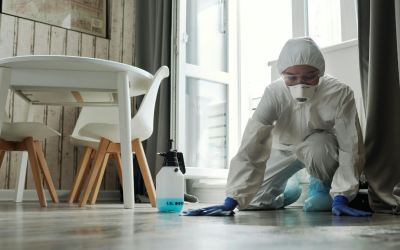
- Cleaning and decontamination: Thorough surface cleaning and targeted disinfection as part of Biohazard Cleanup and Crime Scene Cleanup.
- Odor control: If needed, Odor Removal & Deodorization to address persistent odors at the source, not just mask them.
- Final verification: Ensuring the affected area is addressed and the space is safe to reoccupy.
If the event is found late, it may overlap with Unattended Death Cleanup. This usually requires more extensive cleanup due to time and environmental constraints.
5) Unattended deaths: why timing changes the remediation needs
An unattended death case becomes harder if the person has been missing for a long time. Fluids will spread from their original spot. Odors will also get stronger. Insects and secondary contamination will begin to appear.
In these cases, Unattended Death Cleanup may require:
- More material removal (flooring, subfloor, drywall, or furniture, depending on saturation).
- Enhanced odor remediation using Odor Removal & Deodorization to address embedded sources.
- Extra decontamination steps similar to those used in Infectious Disease Decontamination.
If you’re unsure whether the situation is unattended, describe what you can see so professionals can determine the safest plan.
6) Odor concerns: what works, what doesn’t
People attempt to hide odors by using candles and air fresheners and by opening windows. But this usually doesn’t work. The only real solution is to clean the affected areas.
Depending on the environment, odor work may resemble other odor-related services, such as:
- Pet Odor Removal when porous materials hold persistent smells.
- Cigarette Smoke Removal when odor has penetrated surfaces and requires specialized treatment.
Smell plays an important role in recovering from trauma. Being in a place that smells familiar, like home, can help a lot in feeling better.
7) Special situations: vehicles, public spaces, and complex hazards
Not every incident happens in a private home. Cleanup needs can vary widely based on location and the type of hazard present.
- Vehicles and roadways: Traffic accident cleanup is needed when blood or biohazards are near a vehicle. Automobile cleaning may also be necessary.
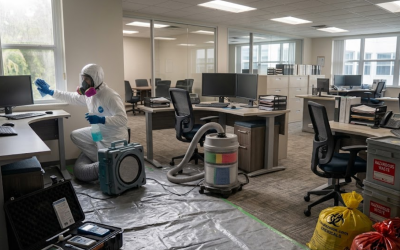
- Commercial or industrial properties: Our Biohazard Cleanup for Commercial & Industrial sites helps businesses get back to work fast. We focus on safety and discretion.
- Government and public needs: Government Biohazard Services help. Police Department Services support agencies in sensitive situations.
- Chemical and irritant exposures: Some situations are more dangerous. They need special help. This includes Meth Lab Cleanup and Tear Gas Cleanup.
Even when trauma cleanup is the main issue, related services are important. Real-world scenes can be complicated.
8) Actionable checklist: what to do (and not do) before help arrives
In the meantime, while the cleanup is underway, follow the guidelines below. They will ensure your well-being. It will also ensure the site remains safe. This will help prevent any additional stress.
Do keep people and pets out of the affected area.
- Do avoid touching contaminated items, even if they seem dry.
- Wash your hands thoroughly if you think you may have come into contact with a surface.
- Do write down any questions you have (what can be saved, what happens to furniture, odor concerns, timeline).
- Don’t use household vacuums or mops on blood or bodily fluids. This can spread contamination.
- Don’t move materials from the affected area into clean spaces.
- Don’t rely on air fresheners as a solution; they can delay proper odor removal and deodorization.
Restoring Peace and Safety After Tragedy
Homicide and suicide cleanup is never something anyone wants to face. It’s an overwhelming, emotional experience that requires specialized care. If the property has heavy clutter, animal waste, or unsanitary conditions, say so early. This is important. Hoarding Cleanup and Animal Waste Cleanup services can change the plan. They can also affect the timeline.
At CleanKeepers, we know that professional cleanup goes beyond fixing a space. It’s about protecting health. It’s about restoring dignity. It gives families, property owners, and organizations peace of mind. This allows them to focus on the essential task of caring for people.
To stay current with us, please follow our Facebook page.