The Truth About Bloodborne Pathogens and Home Cleanup Risks
Imagine this: someone gets injured at home—maybe a kitchen fall or a garage accident. There’s blood on the floor, perhaps the couch, too. Most people grab gloves, a few paper towels, and maybe a spray bottle of bleach. Seems like a reasonable way to clean up, right?
Here’s the thing most folks don’t realize—bloodborne pathogens can live in even the smallest drops of blood or bodily fluids. DIY cleanup can expose you or your loved ones to serious health risks. In this post, we’ll break down what bloodborne pathogens are, where you might find them at home, and why calling in trained professionals is more than just a good idea—it’s the safest choice.
What Are Bloodborne Pathogens?
Bloodborne pathogens are microorganisms in human blood or certain bodily fluids that can cause serious diseases. You’ve probably heard of the big ones—HIV, Hepatitis B, and Hepatitis C. But there are others, too, and they’re all dangerous in the wrong situation.
These pathogens can enter your system through tiny cuts, scrapes, or mucous membranes like your eyes or mouth. That means if you clean up blood or fluids without the right protection or disinfectants, you’re putting yourself and others in your home at risk.
And no, wearing gloves alone isn’t enough.
Where You Might Encounter Bloodborne Pathogens at Home
You don’t need to live in a crime scene or run a hospital to face exposure. Every day life brings unexpected situations where bloodborne pathogens may be present.
Here are a few common ones in homes around Southwest Florida:
- Someone slips in the shower and bleeds onto the tile.
- A diabetic family member has a bleeding incident.
- A pet scratches someone badly during playtime.
- A relative experiences a medical emergency or unattended death in the home.
These situations can leave behind trace amounts of blood on bedding, upholstery, floors, and even air vents. You may not even see it. But it can still carry pathogens. That’s what makes bloodborne pathogen cleanup so tricky—you often don’t know what’s been missed.
The Real Risks of DIY Cleanup
Many assume that a little bleach or antibacterial spray will kill whatever’s lurking in spilled blood. Unfortunately, that’s not always the case.
Most household cleaners aren’t strong enough to neutralize bloodborne pathogens completely. And even if they are, there’s the issue of technique. Are you scrubbing in a way that prevents cross-contamination? Are you disposing of contaminated materials safely and legally? Are you protecting yourself from airborne particles during the cleanup?
Probably not—and that’s normal. Most people lack the training or tools for this kind of work.
We’ve worked with families from Cape Coral to Estero who thought they had cleaned a space properly, only to learn that contamination remained. It’s not their fault—they were doing their best. But this kind of cleanup requires a different level of protection and know-how.
How Professional Biohazard Cleanup Works
At Clean Keepers, we take biohazard cleanup seriously. That includes anything involving blood, bodily fluids, or potential exposure to bloodborne pathogens.
Here’s how we handle it:
Step 1: Site Assessment
We examine the space closely to determine where contamination might exist. Cleaning should include visible spots and hidden areas such as grout lines, cracks in the flooring, and soft surfaces.
Step 2: Safety Setup
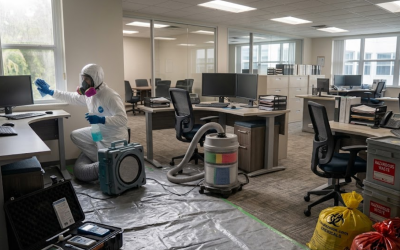
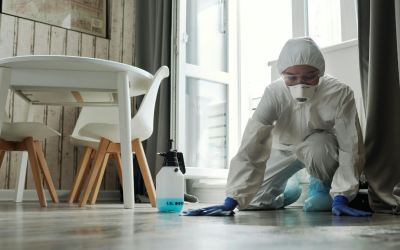
Our team wears full PPE—gloves, suits, and respirators—and sets up containment barriers to prevent cross-contamination while we clean.
Step 3: Deep Cleaning & Disinfection
We use EPA-registered disinfectants strong enough to kill bloodborne pathogens. We scrub, vacuum with HEPA filters, and treat surfaces with care.
Step 4: Proper Disposal
According to Florida and federal laws, we safely dispose of contaminated items like rags, clothing, and furniture.
Step 5: Final Check
We double-check everything before we leave. We aim to make your home safe and healthy again without cutting corners.
Why It’s Worth Calling Clean Keepers
We’re not here to scare you, but we are here to keep you safe. Whether you’re in Bonita Springs, Fort Myers, or anywhere in between, our team at Clean Keepers treats every job with care and discretion.
Maybe your family is struggling, or you didn’t realize the risks of cleaning up blood alone. Either way, we’re here to help. We don’t judge—we just show up, clean thoroughly, and make sure the place is safe.
There’s something comforting about knowing a team of trained professionals has handled the cleanup correctly. You won’t miss a thing because we ensure nothing gets overlooked. You don’t have to second-guess yourself, and you don’t have to put your loved ones at risk.
Don’t Take Chances with Bloodborne Pathogens
If someone bleeds at home or there’s a bodily fluid spill, your first instinct might be to grab some paper towels and disinfectant spray. But take a breath and think it through.
Bloodborne pathogens are invisible, persistent, and dangerous. Safely cleaning them takes the right gear, knowledge, and tools. That’s where professionals come in.
Clean Keepers serves Fort Myers, Cape Coral, Estero, and Bonita Springs. We know the regulations, respect privacy, and do the job right.
If you ever encounter a situation involving blood or biohazard materials in your home, don’t go it alone. Let us help you handle it safely, respectfully, and thoroughly.
To stay current with us, please follow our Facebook page.